





goofy ahh memes: 6 Brilliant Tricks Behind Chaotic Comedy The appeal of goofy ahh memes is simple: they take a familiar moment and make one part of it hilariously wrong. A normal clip, photo, or caption becomes comic when an oversized sound, awkward freeze-frame, or bizarre visual interruption breaks the expected mood. The phrase “goofy […]
goofy ahh memes: 6 Brilliant Tricks Behind Chaotic Comedy
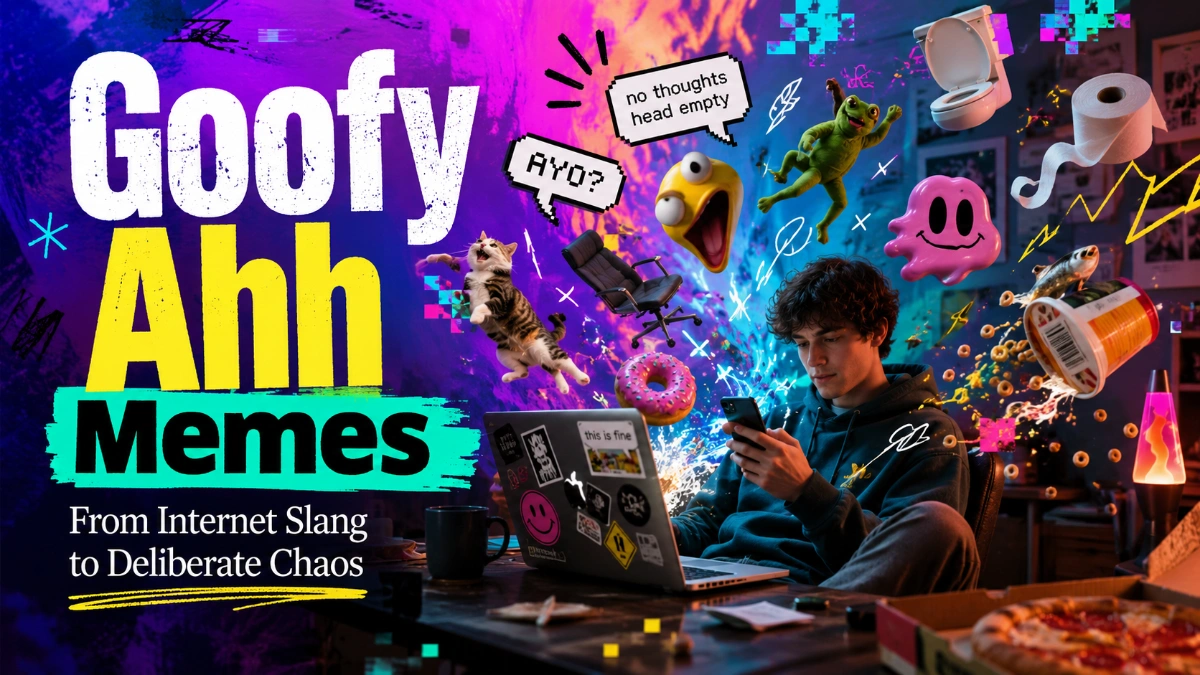
The appeal of goofy ahh memes is simple: they take a familiar moment and make one part of it hilariously wrong. A normal clip, photo, or caption becomes comic when an oversized sound, awkward freeze-frame, or bizarre visual interruption breaks the expected mood.
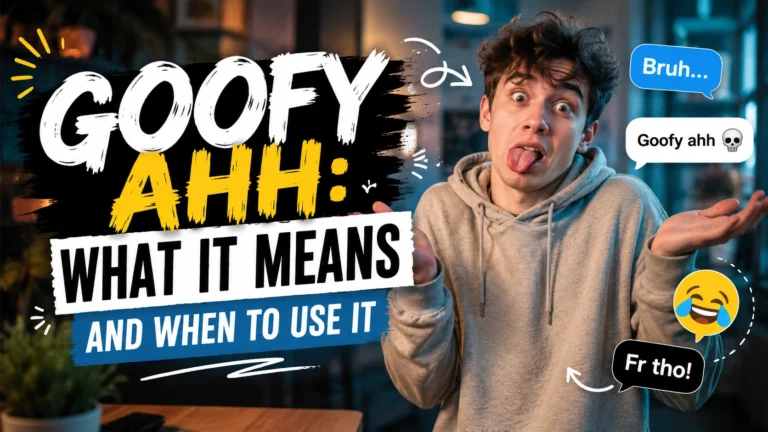
The phrase “goofy ahh” is commonly used online as a phonetic form of “goofy ass,” meaning silly, ridiculous, or unserious. It has AAVE context, so TikTok should be understood as a major amplifier of the phrase and its remix format—not as its linguistic origin.
The context comes first
The exact person who coined the phrase is unknown. Documented online use dates to at least 2009, while the phrase became much more visible on TikTok in late 2021 and early 2022.
During that period, remixes that added cartoon effects and other absurd audio to familiar material helped shape the style now associated with goofy ahh memes. The related “goofy ahh sound” comment became widely used for clips with strange, exaggerated, or hard-to-place noises.
That history matters because a phrase can become mainstream without becoming context-free. It is fair to use it for playful absurdity; it is less careful to present a culturally rooted expression as a throwaway invention of one app.
The mechanics of absurdity
The strongest goofy ahh memes are usually built around contrast rather than randomness. They first give the viewer a baseline—a calm video, an ordinary image, a familiar song—then interrupt it with something dramatically out of proportion.
A useful comic structure is:
- Set the expectation. Let the audience see what “normal” looks or sounds like.
- Introduce one wrong element. Add a noise, visual insert, caption, or speed change that does not belong.
- Make the switch readable. Time it at the moment viewers expect a routine outcome.
- Stop before the joke becomes clutter. Extra effects should sharpen the contrast, not hide it.
For instance, a person quietly opening a door is an ordinary setup. A sudden theatrical snore or exaggerated cartoon sound at the exact moment the door moves gives the edit its payoff.
Why sound matters so much
Audio can change a mundane clip faster than a visual rewrite. In TikTok-era uses of goofy ahh memes, comments and remixes often focused on cartoon-like effects, distorted voices, snore-style sounds, and deliberately indiscernible audio.
The sound does not need to be a famous trend. It needs to have the wrong scale, mood, or texture for the image. A small action paired with a huge effect creates the contrast that makes the viewer pause.
That also explains why a wall of effects often fails. If everything is loud, warped, and unexpected at once, there is no single interruption for the audience to notice.
Build a post around one choice
To make goofy ahh memes without relying on noise alone, decide what the audience should notice first: the image, the timing, or the audio. Then give one element permission to be ridiculous.
- Start with a clip or image that is understandable before the edit begins.
- Use one main sound or visual disruption instead of several competing ones.
- Put the disruption at a clear turning point.
- Test whether the joke still lands without a long caption.
- Trim any effect that repeats the same idea without making the escalation funnier.
This is an editorial approach, not a fixed rule. Some dense remixes work because their layers form a pattern; they still need a clear point of contrast for the viewer to follow.
Publish with care
The best goofy ahh memes make the constructed edit, an invented situation, or a harmless moment look ridiculous. They do not need an identifiable private person as the target.
Before reposting or remixing, choose your own footage, a platform’s built-in remix feature, or material explicitly offered for reuse where possible. This is practical guidance rather than legal advice: permissions and copyright rules depend on the source, platform, and location.
A final editorial question helps: is the joke readable as playful nonsense, or does it depend on humiliating someone? If it depends on the second option, change the target or abandon the post.
What separates funny from forced
goofy ahh memes work when viewers can quickly identify the deliberate wrongness: the too-loud audio, the badly matched image, the untimely zoom, or the caption that makes an ordinary situation bizarre.
They feel forced when an edit has no baseline, every effect competes for attention, or the caption has to explain why the clip is funny. Chaos is a style choice; confusion is what happens when the audience cannot find the joke.
Use a final check before publishing:
- Is there a clear setup before the disruption?
- Does one comic choice lead the edit?
- Is the contrast visible without explanation?
- Is the content aimed at the premise rather than a person?
- Would removing one layer improve timing?
If the last answer is yes, cut the layer. The most memorable goofy ahh memes often look messy on purpose, yet their central comic choice stays easy to recognise.
Frequently Asked Questions
It is commonly used online to mean something like “goofy ass”: silly, ridiculous, or comically unserious.
No. TikTok was a major place where the related sound/comment style became highly visible, but the phrase had documented online use before that platform wave.
Documented online use goes back to at least 2009. The phrase gained major TikTok visibility in late 2021, and “goofy ahh sound” comments became especially prominent in early 2022.
An exaggerated or badly matched sound creates an instant contrast with a normal visual, which often supplies the joke.
No. A caption, freeze-frame, visual insert, or abrupt pacing change can create the same kind of absurd interruption.
Use one main disruption, make the setup clear, and remove effects that compete with the central joke.
It is safer to start with your own footage, platform-enabled remix tools, or media explicitly offered for reuse. Requirements can vary, so this is not legal advice.