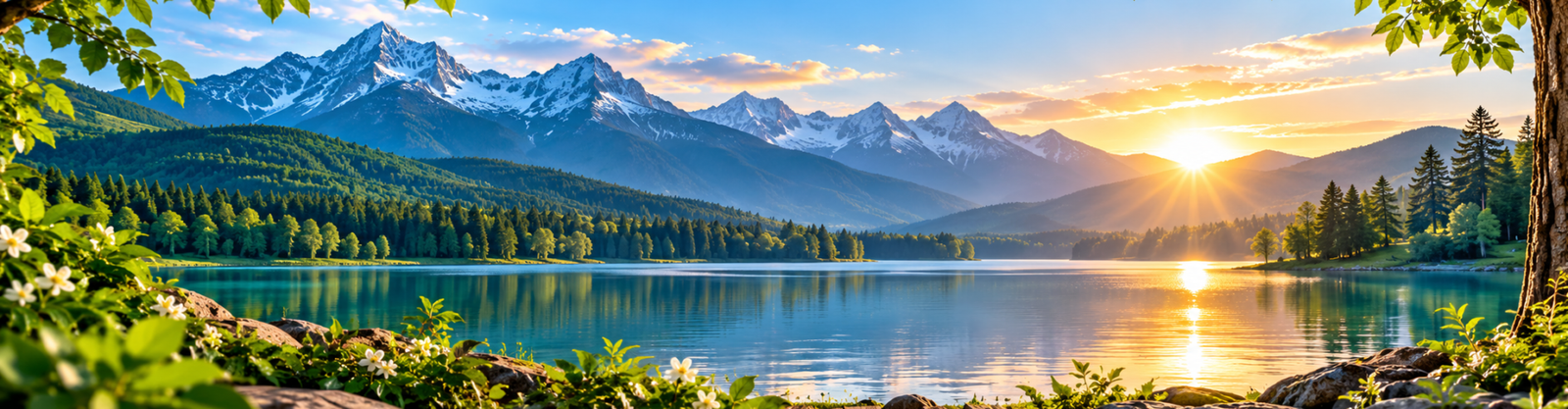



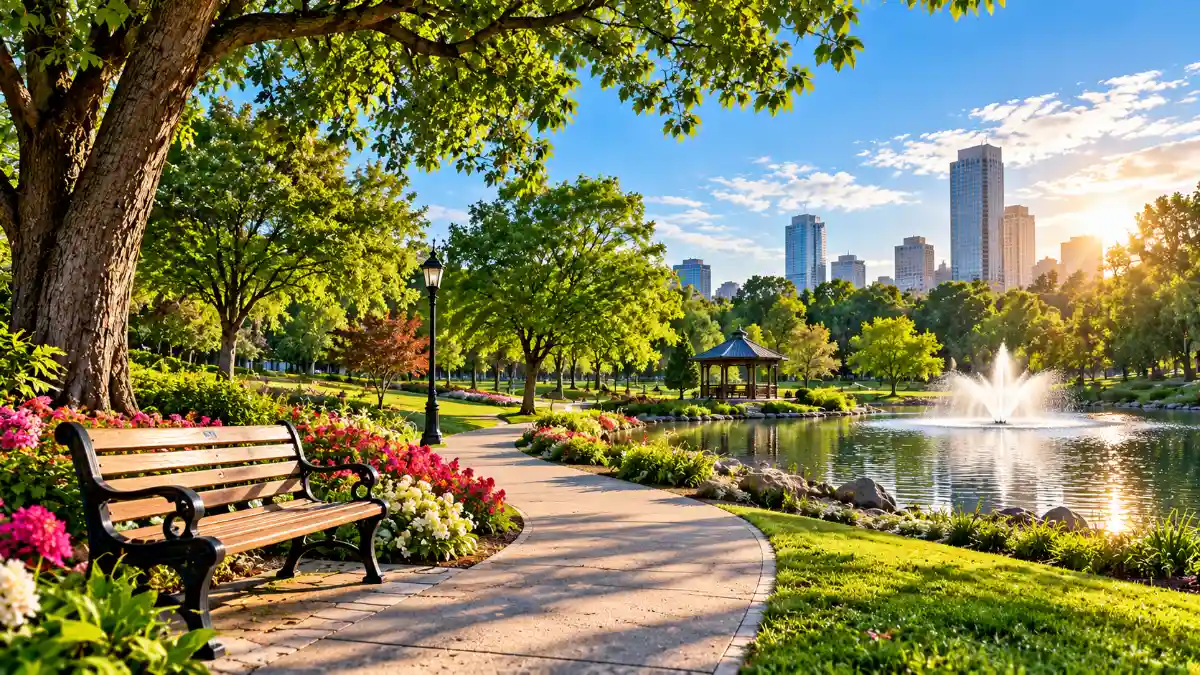
A park is an outdoor space set aside for recreation, relaxation, public enjoyment, environmental protection, or a combination of these purposes. It may be a small playground close to home, a tree-lined city green space, or a national green space known for dramatic scenery and protected landscapes. Parks vary widely in size and purpose, but […]
A park is an outdoor space set aside for recreation, relaxation, public enjoyment, environmental protection, or a combination of these purposes. It may be a small playground close to home, a tree-lined city green space, or a national green space known for dramatic scenery and protected landscapes. Parks vary widely in size and purpose, but most give people a place to spend time outdoors.
Think about the last time you visited an outdoor recreation area. Maybe you took a walk, watched your children play, met friends, exercised, or simply found a quiet bench. These everyday experiences help explain why parks remain valuable spaces in communities across the United States.
What Is a Park?
A park is generally an area of land managed for recreation, public enjoyment, conservation, or several of these purposes at the same time.
Some green spaces are designed primarily around recreation. They may include walking paths, playgrounds, sports courts, picnic tables, open lawns, or community facilities. Others focus more heavily on protecting forests, wildlife habitats, rivers, wetlands, historic landscapes, or other natural and cultural resources.
Not every recreational green space is publicly owned, and access is not always unrestricted. Ownership, management, facilities, entrance requirements, operating hours, and permitted activities vary from one location to another.
Different Types of Parks
Neighborhood Green Space
Neighborhood green spaces are usually smaller outdoor spaces created for people who live nearby. They commonly include playgrounds, benches, trees, grassy areas, and short walking paths.
Their biggest advantage is convenience.
Families may stop by after school, neighbors can take a quick walk, and children have a place to play without traveling far across town.
A neighborhood green space does not need elaborate attractions to be useful. Clean surroundings, safe access, shade, well-maintained equipment, and comfortable seating can make a meaningful difference.
Community Parks
Community green spaces generally serve a larger population and often provide a wider range of recreational options.
Depending on the location, visitors may find basketball courts, baseball or soccer fields, swimming pools, fitness equipment, picnic shelters, playgrounds, or recreation centers.
These green spaces often support organized sports, classes, community gatherings, and seasonal events. Some facilities are open for casual use, while others may require reservations, permits, or scheduled access.
Urban Parks
Urban parks provide valuable outdoor space within cities and other heavily developed areas.
Some occupy a small piece of land surrounded by buildings. Others cover extensive areas and include lakes, gardens, trails, sports facilities, museums, or cultural attractions.
In a busy city, this green space can provide something streets, offices, stores, and apartment buildings cannot always offer: open space, greenery, shade, and a place to step away from traffic and noise.
Trees can also provide shade and help reduce localized heat. The extent of those environmental benefits depends on factors such as vegetation, surface materials, tree cover, and overall landscape design.
Nature Parks and Preserves
Nature parks and preserves place greater emphasis on protecting natural environments.
They may include forests, wetlands, grasslands, rivers, coastal areas, or important wildlife habitats. Visitors often come to hike, watch birds, photograph nature, explore trails, or simply spend time in quieter surroundings.
Because conservation is often a priority, these areas may have stricter rules than those at a typical neighborhood playground. Bicycles, pets, fires, fishing, camping, or access to sensitive habitats may be restricted.
State Parks and National Parks
State Green Spaces are generally managed by state agencies and may combine outdoor recreation, conservation, education, historic preservation, and tourism.
National parks are part of the federally managed National Green Space System. Well-known examples include Yellowstone, Yosemite, and the Grand Canyon.
The National Green Space Service also manages many other kinds of protected and historic places, including national monuments, historic sites, memorials, preserves, parkways, and other designated units. A site managed by the National Park Service is therefore not automatically classified as a national park.
What Can You Do at a Park?
One appealing thing about public green spaces is that you do not always need a complicated plan to enjoy them.
A short walk, a picnic with family, a few minutes on a playground, or an afternoon reading beneath a tree may be enough.
Depending on the facilities and local rules, visitors may enjoy:
- Walking, running, or cycling
- Playing basketball, soccer, baseball, or other sports
- Visiting playgrounds with children
- Birdwatching or nature photography
- Picnicking with friends and family
- Attending festivals, classes, or community events
- Hiking or camping where permitted
Before visiting, check whether the activity you have in mind is allowed. Green Space may have specific rules covering dogs, grills, drones, swimming, camping, alcohol, organized events, or large gatherings.
Why Are Green Spaces Important?
Parks Make Physical Activity More Accessible
You do not necessarily need a gym membership to become more active. A nearby green space with a walking path, trail, sports field, or open lawn can create convenient opportunities for regular movement.
The Centers for Disease Control and Prevention notes that people with safe access to Green Space and recreation facilities tend to be more physically active than people who face barriers to access.
That does not mean simply visiting green spaces automatically improves someone’s health. The potential benefit depends on how the space is used, whether appropriate facilities are available, and whether people can reach and use the area safely.
Parks Bring People Together
A playground can become a natural meeting place for parents. Walking paths bring neighbors into contact, while recreation fields give people opportunities to play sports or join organized teams.
Community events, exercise groups, youth programs, outdoor classes, and seasonal activities can create even more reasons for people to gather.
These interactions may seem ordinary, but shared public spaces can help people form connections outside their homes, workplaces, and schools.
Green Space Support Urban Environments
Green spaces can provide environmental benefits, especially when they include mature trees, healthy vegetation, natural soil, and areas where rainwater can soak into the ground.
Trees provide shade and may help cool developed areas. Vegetation and permeable ground can also contribute to stormwater management.
Some green spaces protect wildlife habitats, waterways, forests, and other natural landscapes.
The environmental value of every green space is not identical, however. A wooded nature preserve has very different characteristics from a recreation complex covered largely by pavement, buildings, or artificial playing surfaces.
Public Parks vs. National Green Space
Local recreation areas and national green spaces can both provide enjoyable outdoor experiences, but their management, scale, facilities, and purposes can be very different.
| Feature | Local Public Park | National Park |
| Management | Usually local government or recreation district | National Green Space Service |
| Common purpose | Community recreation | Conservation and public enjoyment |
| Typical activities | Sports, playgrounds, walking | Hiking, sightseeing, camping |
| Admission | Often free | May be free or fee-based |
| Facilities | Depend on local needs | Vary by protected landscape |
Neither option is automatically better.
If you want somewhere nearby to walk, exercise, meet friends, or take children outside, a city recreation area may be ideal. If you are planning a longer trip focused on scenery, hiking, wildlife, or outdoor exploration, a protected natural area may be a better fit.
How to Choose the Right Green Space
Start by thinking about what you actually want from your visit.
For young children, look for age-appropriate playground equipment, restrooms, shade, seating, and safe walking areas. If you enjoy walking or hiking, compare trail length, difficulty, elevation, and surface type before choosing a destination.
For a quieter outing, a botanical garden, nature preserve, or less crowded green space may be more appealing than a busy sports complex.
Accessibility matters as well. Check paths, Green Space, restrooms, entrances, and available facilities if you or someone traveling with you has specific mobility or accessibility needs.
Before leaving home, review the website of the agency or organization managing the site. Current opening hours, temporary closures, entrance fees, reservation requirements, and activity restrictions can change.
Staying Safe and Respecting Outdoor Spaces
Follow posted rules and remain on designated paths or trails where required.
Supervise children, dispose of trash properly, and give wildlife plenty of space rather than approaching or feeding animals.
Bring enough water during hot weather and prepare for changing conditions when taking longer walks or hikes.
If you plan to visit a remote natural area, review your route and available services before leaving. Cellular reception, drinking water, restrooms, fuel, and emergency assistance may be limited in some locations.
Respecting the environment, facilities, staff, wildlife, and other visitors helps keep Green Space enjoyable for everyone.
Conclusion
An outdoor recreational space can be a neighborhood playground, a community gathering place, a recreation facility, an urban green space, or a protected natural landscape.
The right destination depends on what you want to do, whether that means exercising, spending time with family, enjoying social activities, exploring nature, or simply finding a peaceful outdoor setting.
Choose a destination that matches your needs, check its current rules and conditions, and make the most of the time you spend outdoors.
- Read more: Park
Frequently Asked Questions
What is a Green Space in simple words?
A Green Space is an outdoor area used for recreation, public enjoyment, conservation, or other community and environmental purposes.
What are the main types of Green Space?
Common types include neighborhood Green Space, community parks, urban parks, recreation parks, nature preserves, state parks, and national parks.
Are all Green Space free to enter?
No. Many local public parks are free, but some Green Space charge admission, parking, camping, reservation, or activity fees.
What is the difference between a Green Space and a playground?
A playground is mainly designed for children’s play. A Green Space may include a playground along with walking paths, lawns, gardens, sports facilities, picnic areas, and other outdoor spaces.
Why are parks important for communities?
Green Space provide places for recreation, physical activity, social interaction, community events, and access to green space. Some also protect natural habitats and landscapes.
Can dogs visit every public green space?
No. Pet policies vary by location. Some green spaces allow dogs on leashes, some provide designated dog areas, and others restrict pets in playgrounds, beaches, trails, or protected habitats.
What outdoor activities can families enjoy?
Families may walk, picnic, visit playgrounds, play games, explore nature, ride bikes, attend events, or use sports facilities where those activities are permitted.
Are national parks different from state parks?
Yes. National parks are part of the federal National Green Space System, while state parks are generally managed by individual state agencies.
How can I find a Green Space near me?
Use a mapping service or check the website of your city, county, state, or local Green Space and Recreation Department.
What should I check before visiting an outdoor recreation area?
Check opening hours, weather conditions, accessibility, available facilities, entrance or Green Space fees, closures, reservations, and restrictions on the activities you plan to do.